Collateral Damage
C. chinense · Heat Ladder: Collateral Damage
Scoville Heat Units
2,443,200
15.3% of pure capsaicin
This is a computed design target (15.3% of pure-capsaicin concentration), derived from the flux model and blend chemistry — not a measured value. It is above anything measured in a pepper to date. See the evidence behind it:
Genes
10
Construct
15,914 bp
Variant
Triple
Promoter
2A11
Technical Manifest
Construct Type
T-DNA binary vector
Selection Marker
nptII (kanamycin resistance)
Codon Optimization
pepper
Capsaicinoid Profile
extreme multi
Gene Cassettes (10)
Construct map
15,914 bp · T-DNA binary vectorBurn Profile
Heat Ladder: Collateral Damage
Capsaicinoid blend: extreme multi
Specimen library
Organism documentation
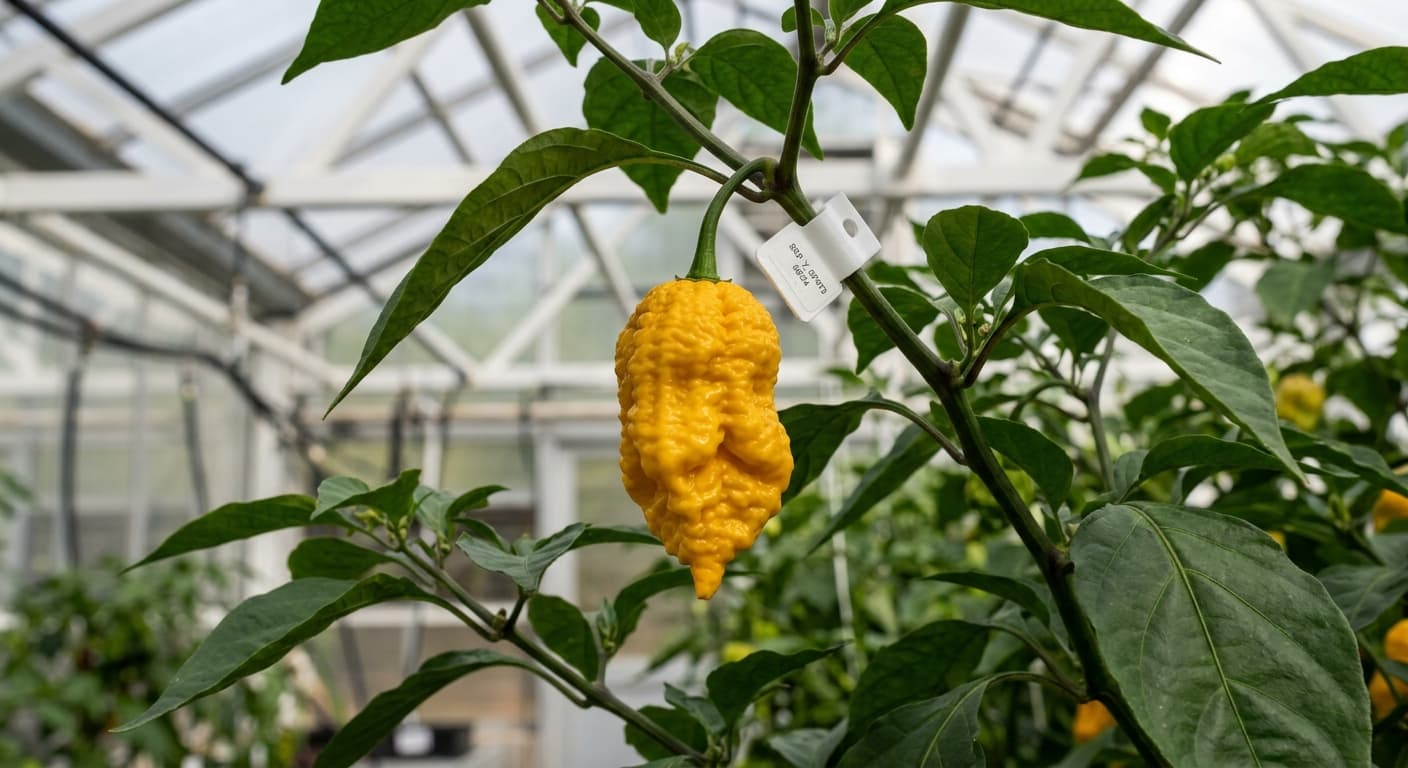
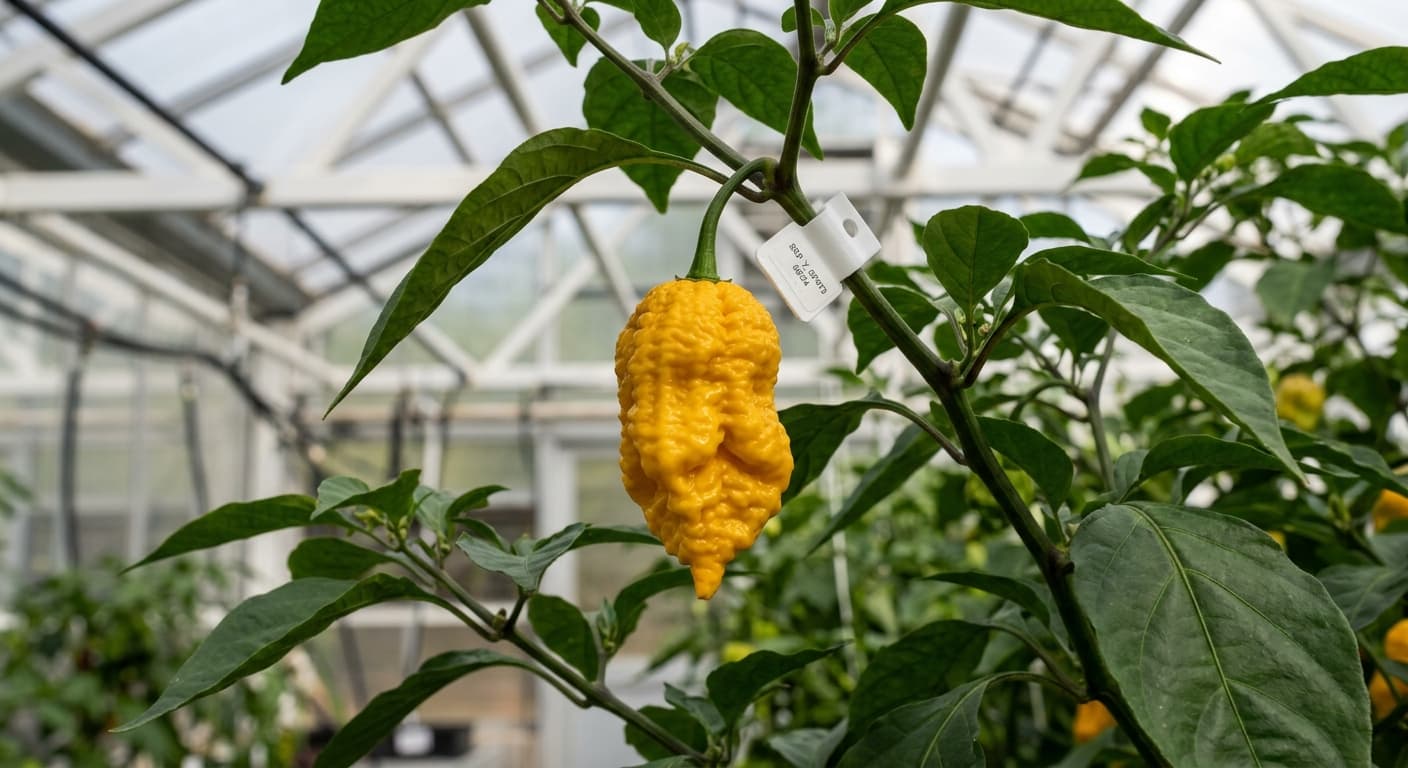
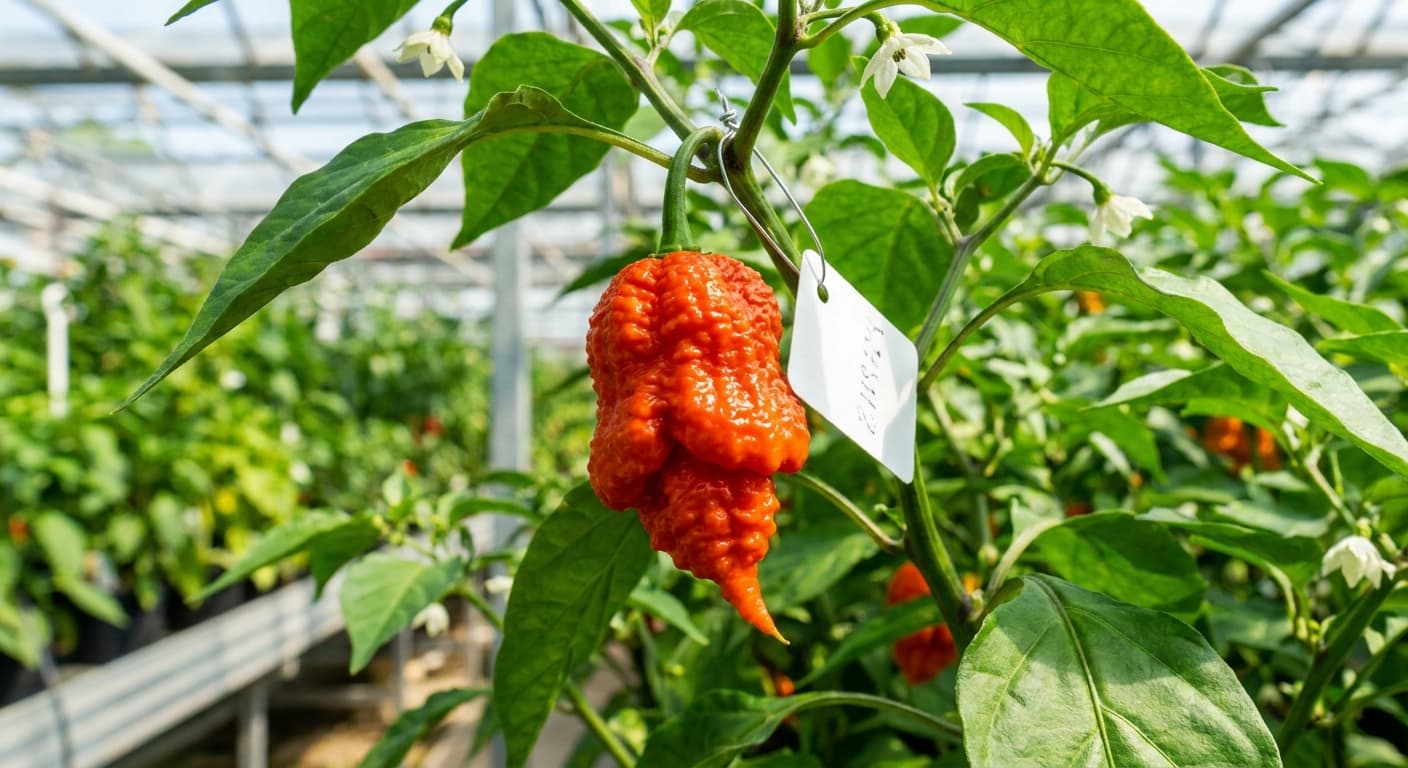
On-plant
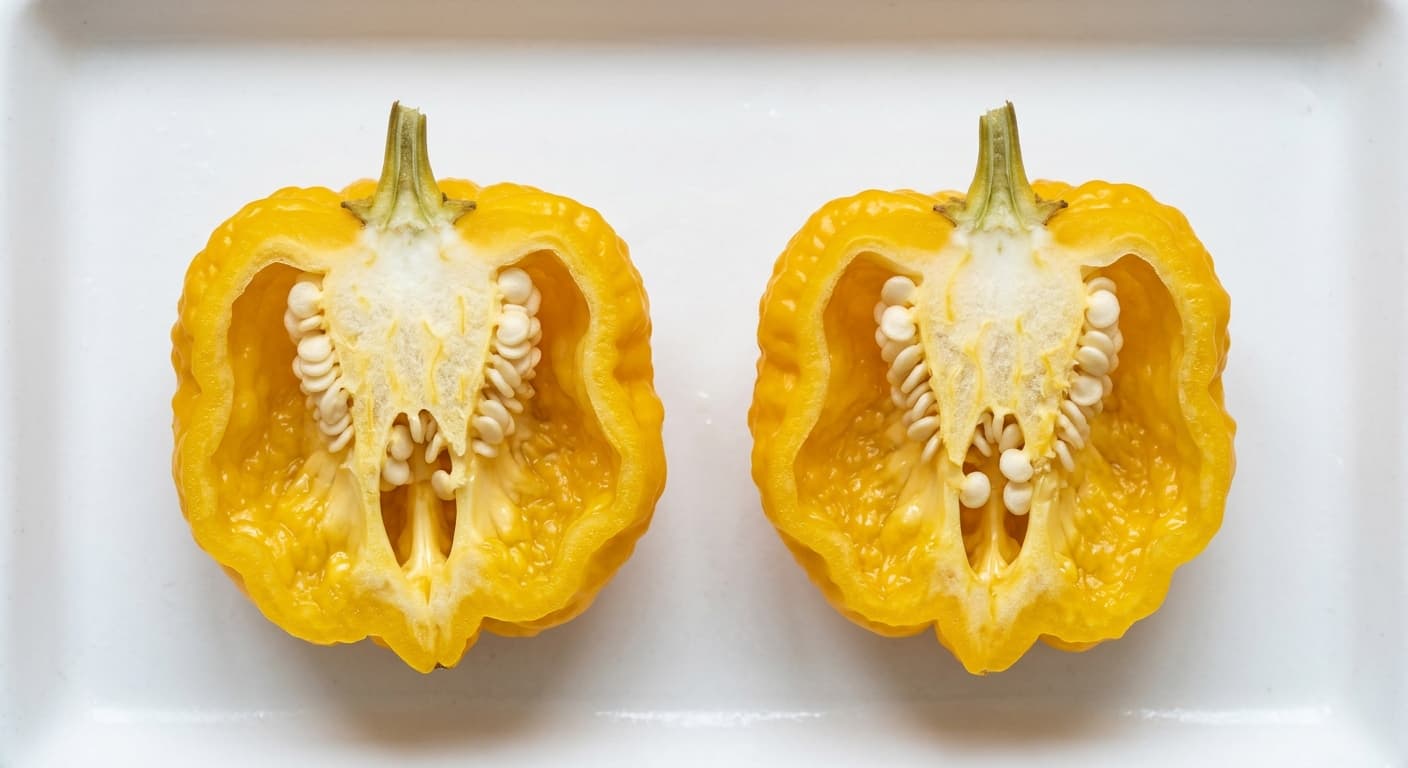
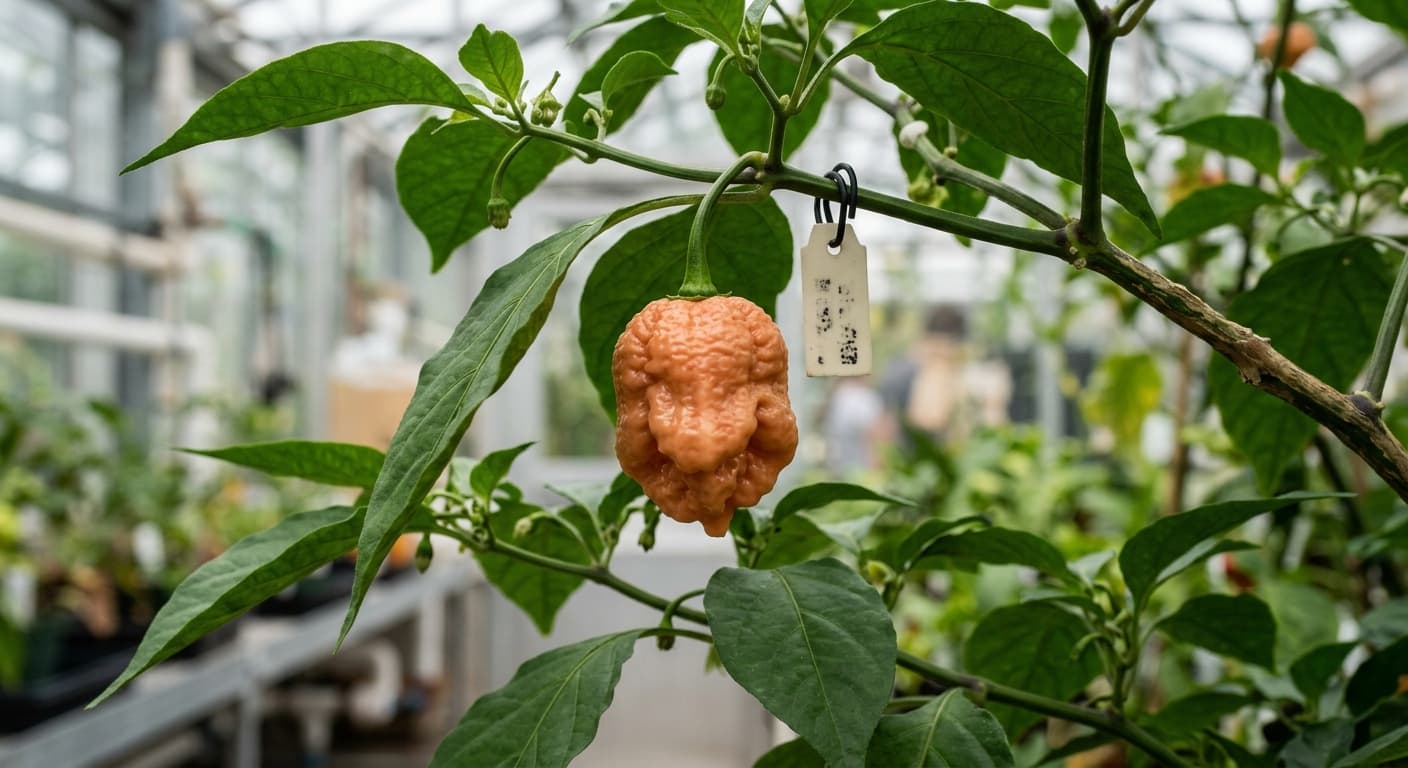
Cross-section
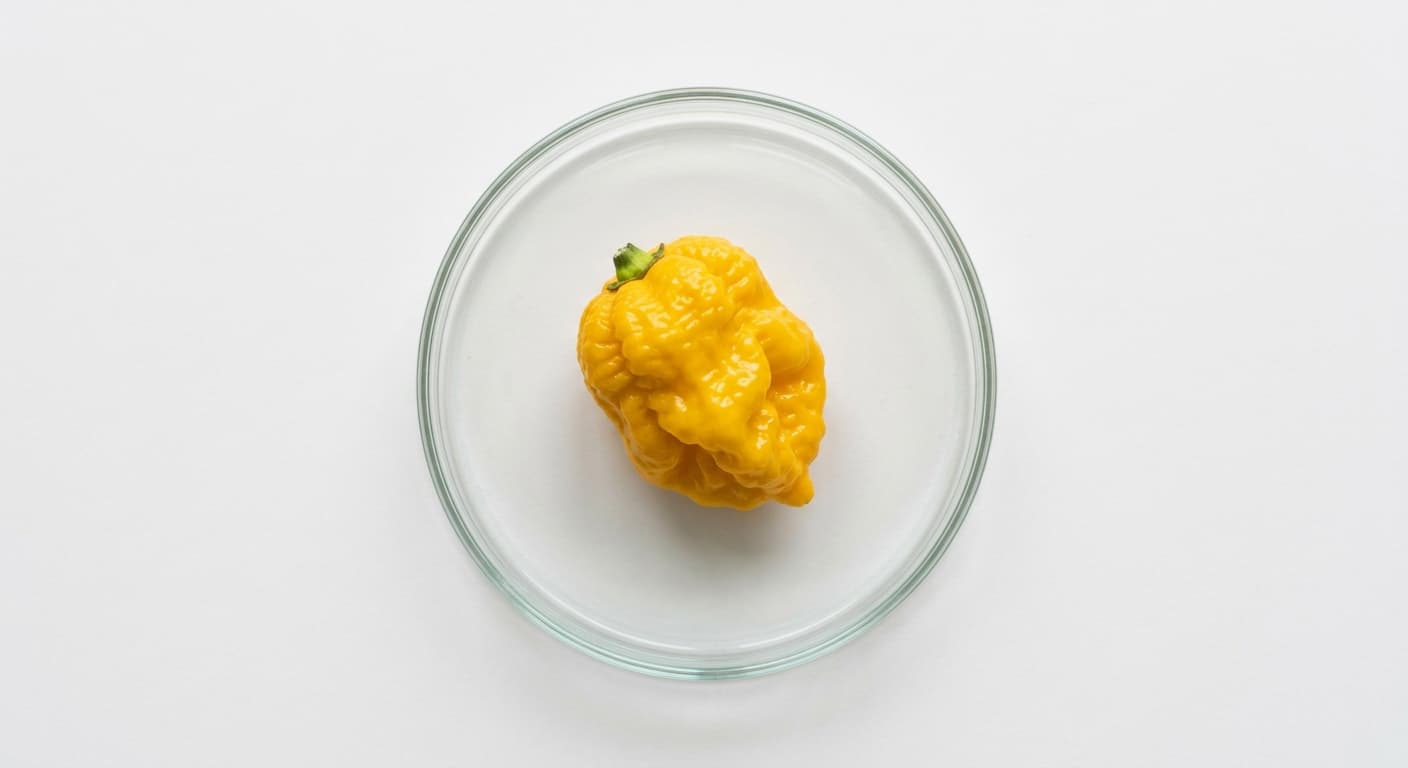
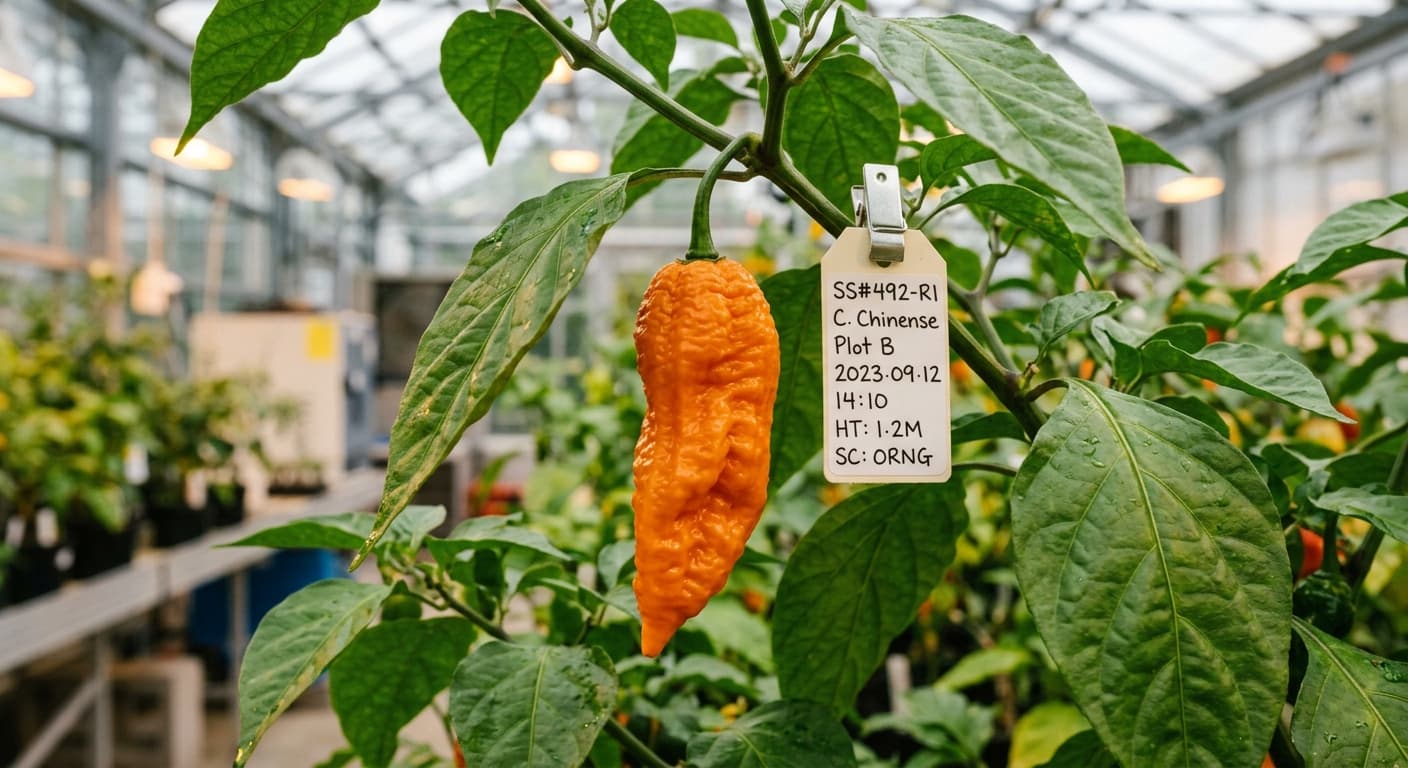
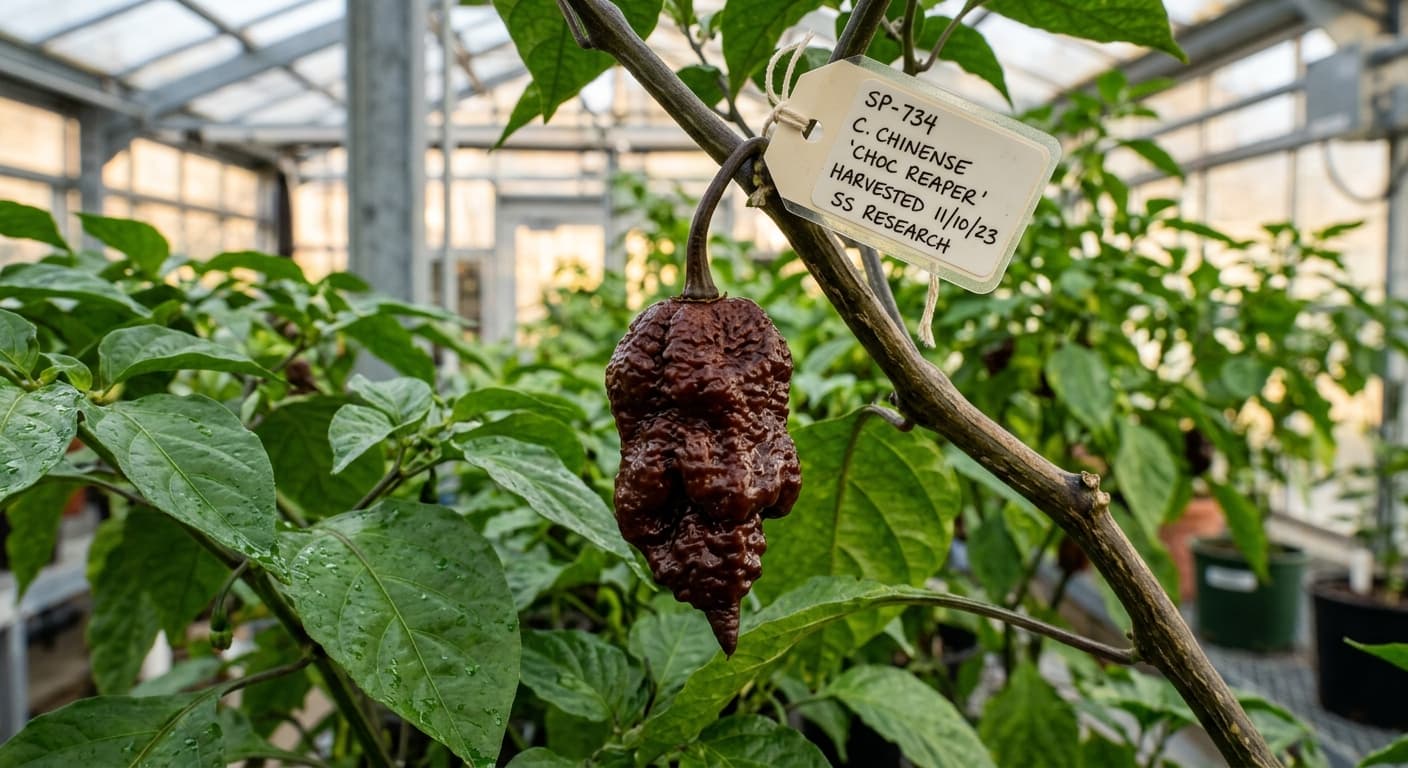
Clinical specimen
Download
This is one of our 10 founding pepper constructs — the proof of concept for the entire Scoville Splice platform. The full package is yours: academic paper, FASTA construct, datasheet, manifest, FBA predictions, CRISPR guides, and quick-start protocol.
Common questions
What is the target SHU of Collateral Damage?
Collateral Damage is engineered to a target of 2,443,200 Scoville Heat Units. Burn character: Heat Ladder: Collateral Damage. Capsaicinoid profile: extreme multi.
What host organism does Collateral Damage use?
Collateral Damage is a Pepper cultivar in the Heat Ladder series, built on Pepper (C. chinense). The construct runs 10 genes across 15,914 base pairs, driven by the 2A11 promoter system.
What license tiers are available for Collateral Damage?
Every catalog cultivar can be licensed at Specimen (one SKU, non-exclusive) or Sector (industry-sector exclusive) tiers. Genome and Platform licensing are available on request for category or stack-wide deals. See the licensing page for pricing structure.
What is included in the Collateral Damage download package?
The Collateral Damage bundle contains the full construct FASTA, a JSON manifest (gene list, promoter stack, codon-optimization notes), the FBA predictions, computationally designed CRISPR guide RNAs, the datasheet, a short product paper, and a signed ZIP for provenance.
Related products
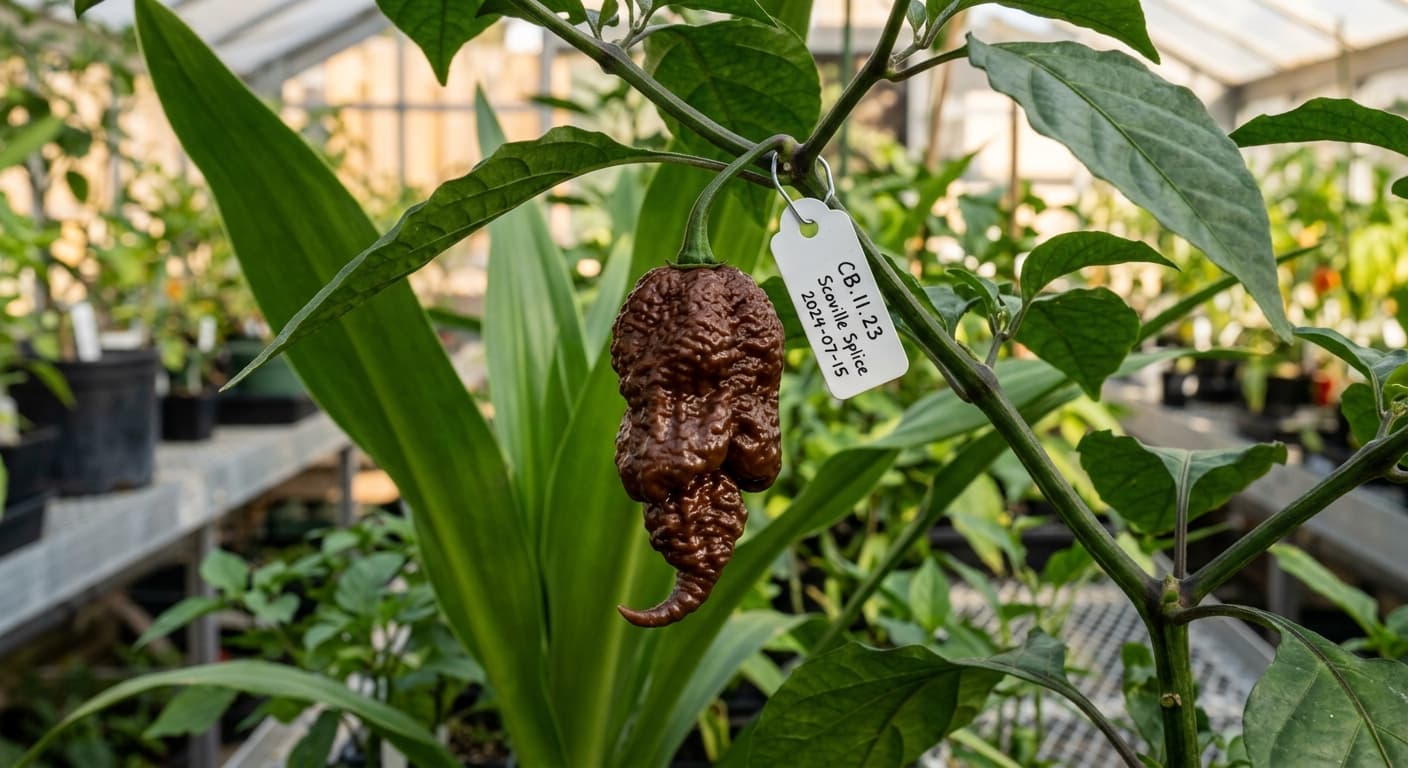
Related reading
From the Scoville Splice journal
Article
What is a Scoville Unit?
The 1912 taste test that became a biosensor benchmark — and why it still gates every pepper we ship.
Read →
Article
What is the hottest pepper?
From Carolina Reaper to Pepper X — the current record holders, and where the Scoville ladder goes next.
Read →
Article
How we design a cultivar
A guided tour of the Scoville Splice pipeline: target SHU, gene cassette, assembly, QA, release.
Read →
Often licensed together
All 10 in series →