Pink Burn
P. guajava · Guava heat
Scoville Heat Units
748
0.0% of pure capsaicin
This is a computed design target (0.0% of pure-capsaicin concentration), derived from the flux model and blend chemistry — not a measured value. It sits within concentrations measured in real peppers. See the evidence behind it:
Genes
9
Construct
14,655 bp
Variant
S39L
Promoter
fruit-specific
Technical Manifest
Construct Type
T-DNA binary vector
Selection Marker
nptII (kanamycin resistance)
Codon Optimization
generic
Capsaicinoid Profile
Standard
Gene Cassettes (9)
Construct map
14,655 bp · T-DNA binary vectorBurn Profile
Guava heat
Specimen library
Organism documentation
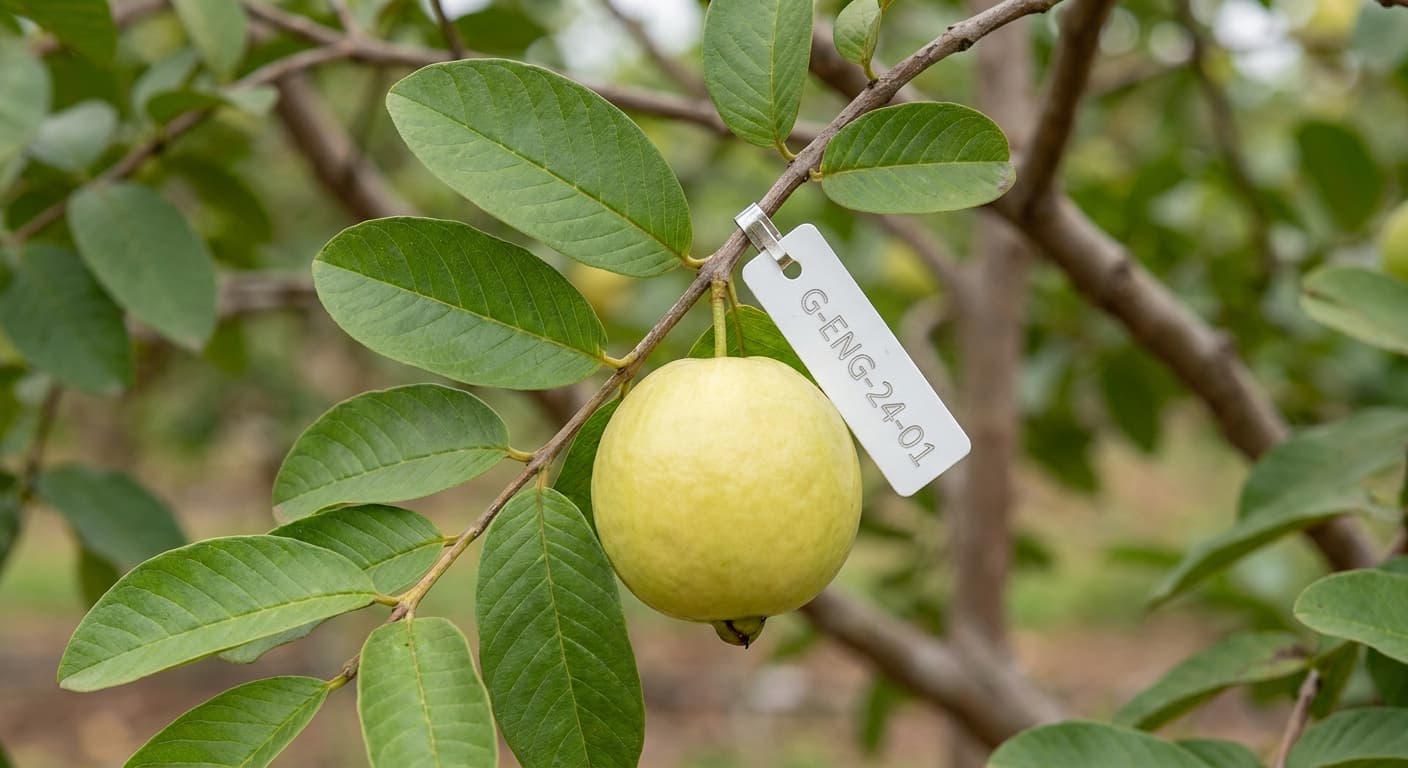
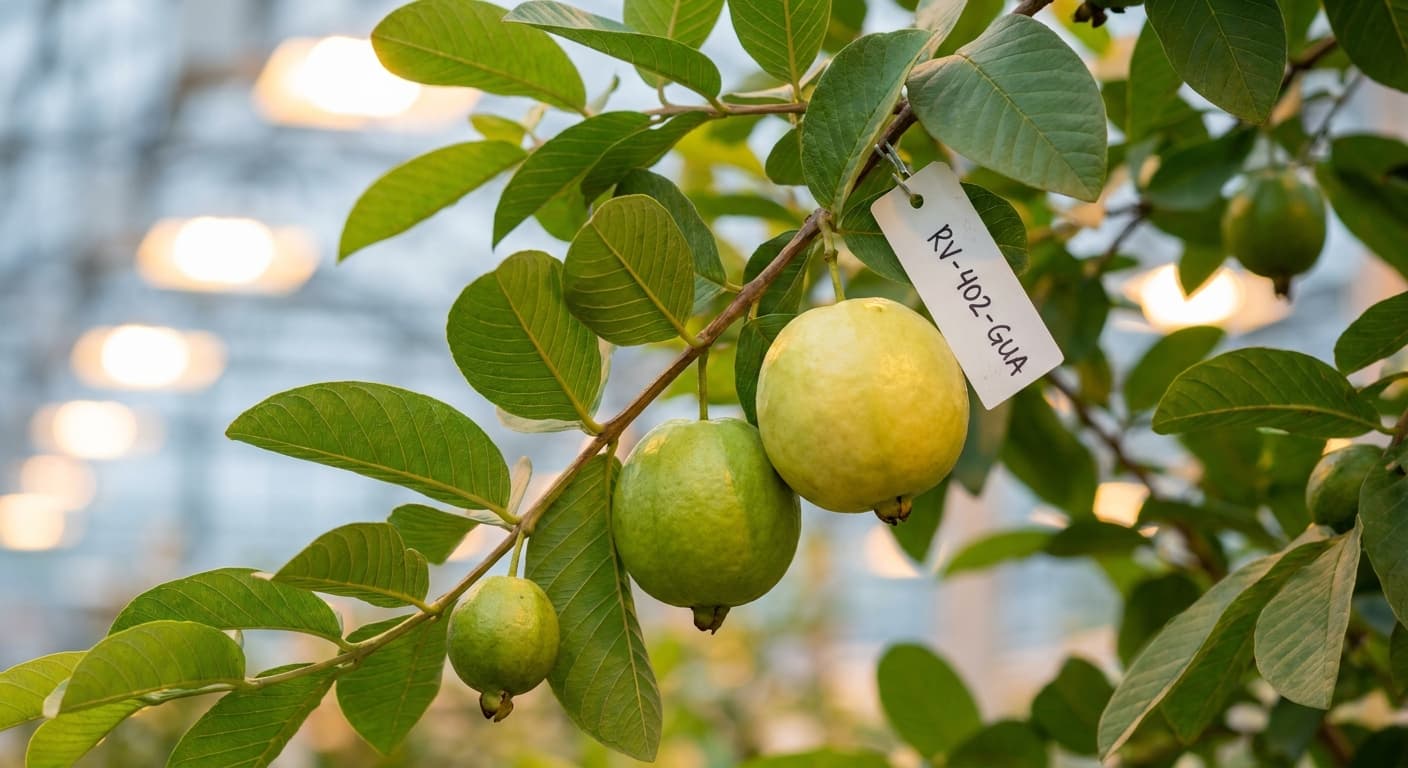
On-plant
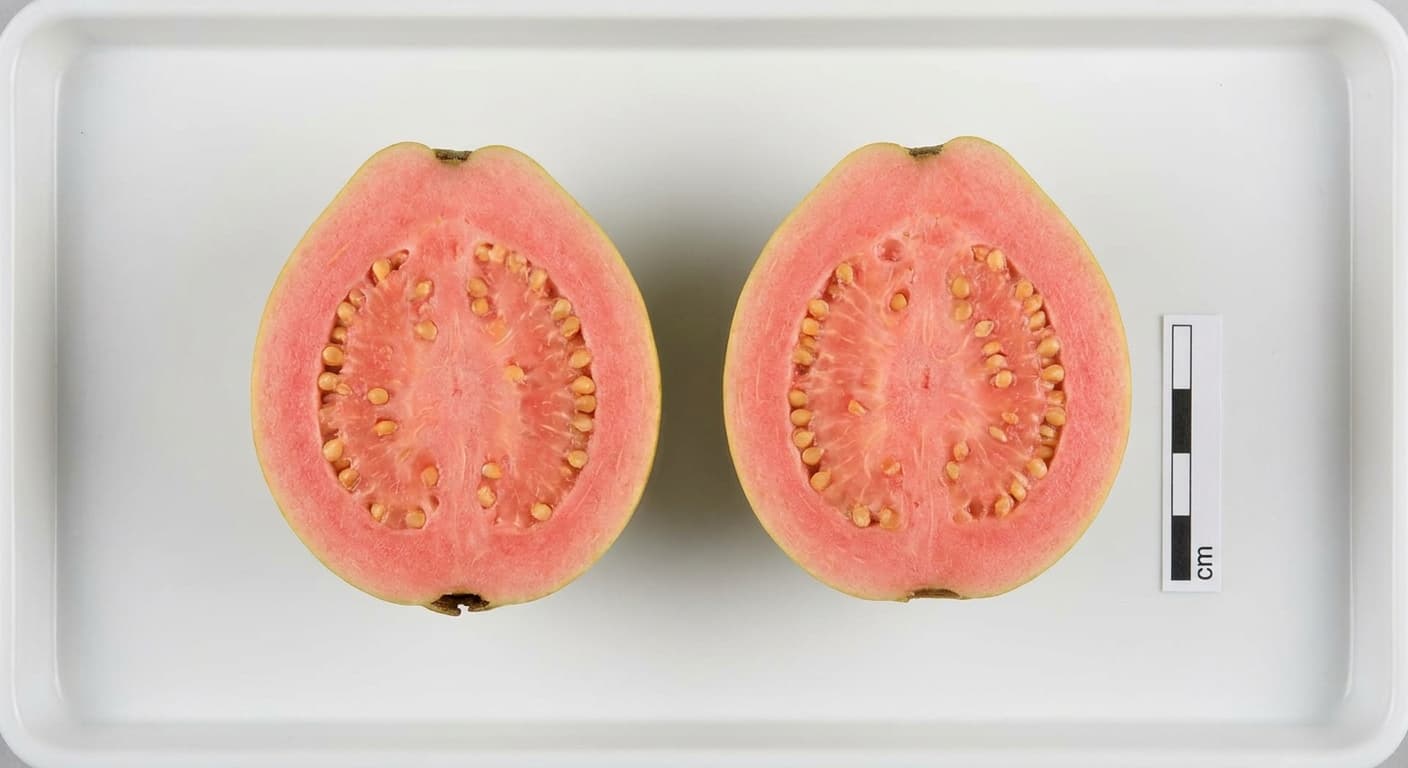
Cross-section
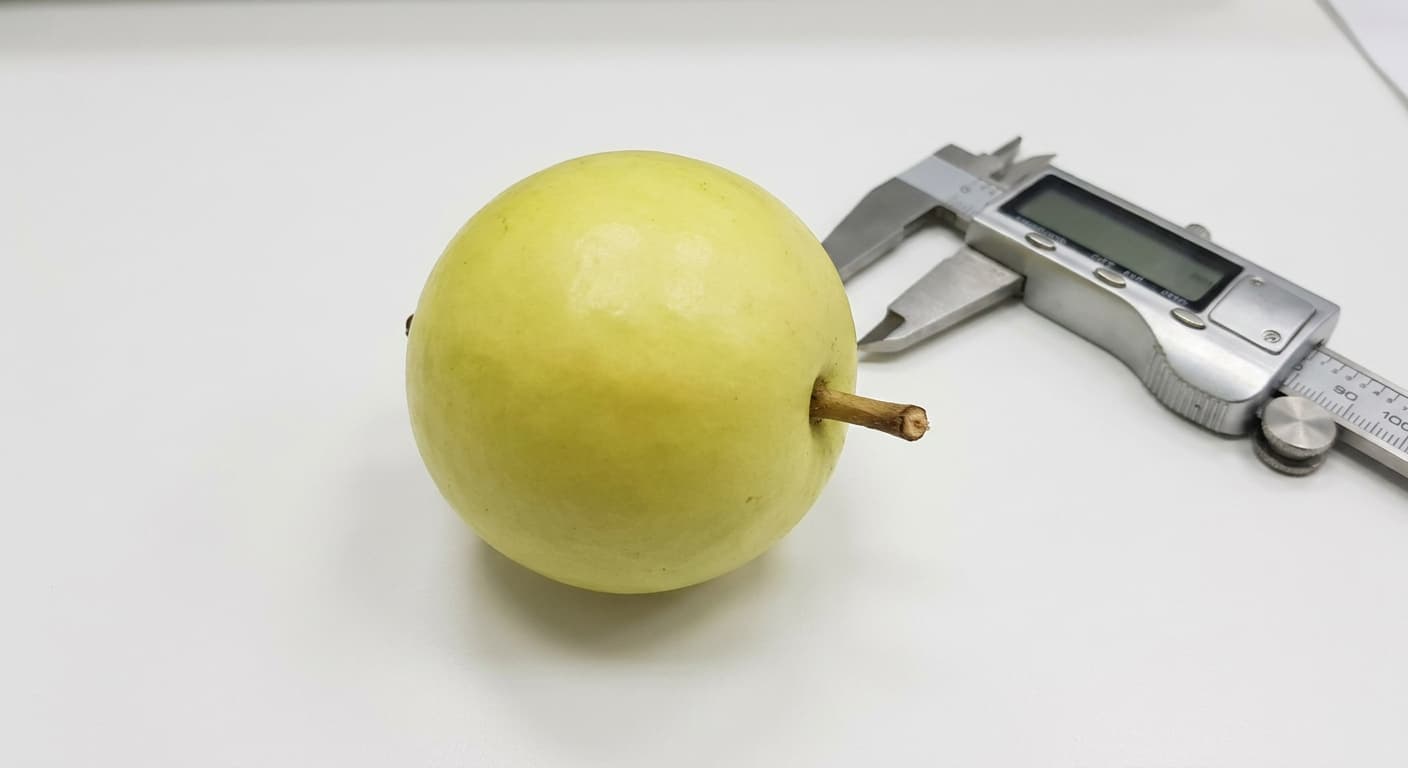
Clinical specimen
About this design
Pink Burn is an engineered P. guajava construct targeting 748 SHU — a Guava Paste Series design in the Tier 3 tier. Guava heat
The construct is 14,655 bp, carrying 9 gene cassettes. T-DNA binary vector with generic-native codon optimization. Selection marker: nptII (kanamycin resistance).
Package contents
- FASTA constructAnnotated full-length DNA sequence (14,655 bp) with all cassette boundaries, promoter elements, and selection markers labeled.
- One-page datasheetVisual lab reference: SHU target, gene cassette diagram, key parameters, and capsaicinoid blend ratio.
- Technical manifestMachine-readable JSON with full construct specification: component list, selection marker, codon optimization, and capsaicinoid profile.
- Flux balance analysisComplete FBA model output underlying the SHU design target: pathway flux predictions, reaction constraints, and metabolic network assumptions.
- CRISPR guide designsGuide RNA sequences for cassette integration loci, with Tm values, GC content, off-target risk scores, and integration confirmation primers.
- Plasmid mapCircular diagram, proportionally scaled, with all components labeled by position and function.
- Transformation protocolStep-by-step guide for introducing this construct into P. guajava: selection conditions, tissue preparation, and PCR-based screening strategy.
Delivered instantly
From $390
How to use this
This construct is packaged for introduction into P. guajava. The transformation protocol covers the complete procedure for this host:
- 1
Prepare the expression system
This construct is packaged as a T-DNA binary vector for introduction into P. guajava. See the transformation protocol for delivery method and host preparation details.
- 2
Transform Guava
Introduce the construct using the method specified in the protocol. Delivery conditions are specific to P. guajava tissue competency and the construct's integration requirements.
- 3
Select with nptII (kanamycin resistance)
Propagate on selection medium at conditions given in the protocol. Non-transformed lines will not survive.
- 4
Screen and advance
Confirm integration using the primers included in the CRISPR guide designs. Advance confirmed transformants to the appropriate developmental stage to assess capsaicinoid expression.
License this cultivar
Loading license options…
Take it further with CRISPR
The CRISPR guide designs in this package are ready to use with Cas9 or Cpf1 for precision integration at defined genomic loci — and for disrupting competing pathway enzymes that reduce capsaicinoid yield. For site-specific insertion, pathway stacking, or multiplexed editing across guava cultivars, the guides are your starting point.
Work with Scoville Splice
This construct is a research tool. What it can become is an ingredient.
Scoville Splice works with food and beverage companies to take engineered capsaicinoid constructs from sequence to supply chain. If you’re developing a product — a sauce, a seasoning, a functional food — and you need a precise, consistent heat profile that no natural guava can deliver, that’s what we were built for. We offer custom cultivar development, strain characterization, pilot-scale grow protocols, and formulation consulting.
Contact us about a partnership →Already licensed?
Common questions
What is the target SHU of Pink Burn?
Pink Burn is engineered to a target of 748 Scoville Heat Units. Burn character: Guava heat. Capsaicinoid profile: -.
What host organism does Pink Burn use?
Pink Burn is a Tier 3 cultivar in the Guava Paste series, built on Guava (P. guajava). The construct runs 9 genes across 14,655 base pairs, driven by the fruit-specific promoter system.
What license tiers are available for Pink Burn?
Every catalog cultivar can be licensed at Specimen (one SKU, non-exclusive) or Sector (industry-sector exclusive) tiers. Genome and Platform licensing are available on request for category or stack-wide deals. See the licensing page for pricing structure.
What is included in the Pink Burn download package?
The Pink Burn bundle contains the full construct FASTA, a JSON manifest (gene list, promoter stack, codon-optimization notes), the FBA predictions, computationally designed CRISPR guide RNAs, the datasheet, a short product paper, and a signed ZIP for provenance.
Related products
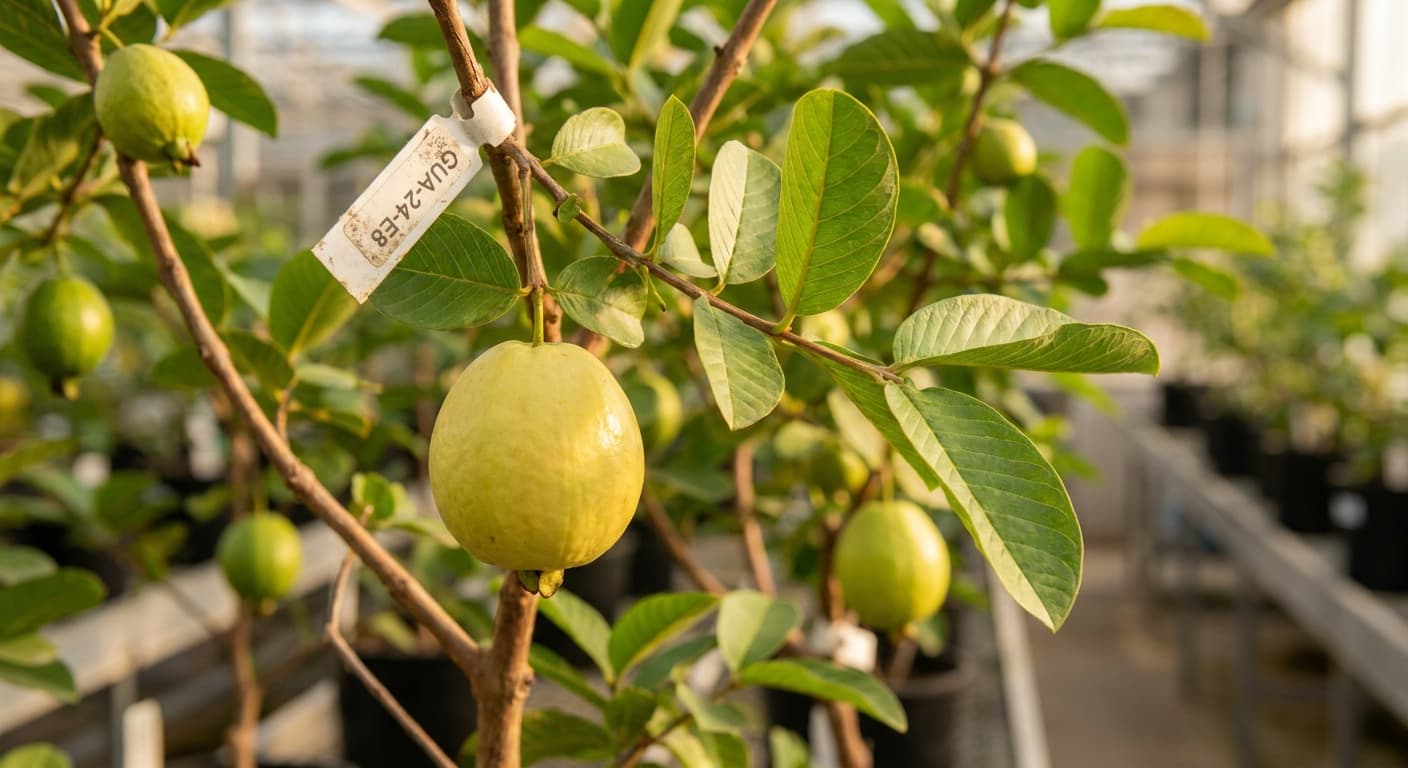
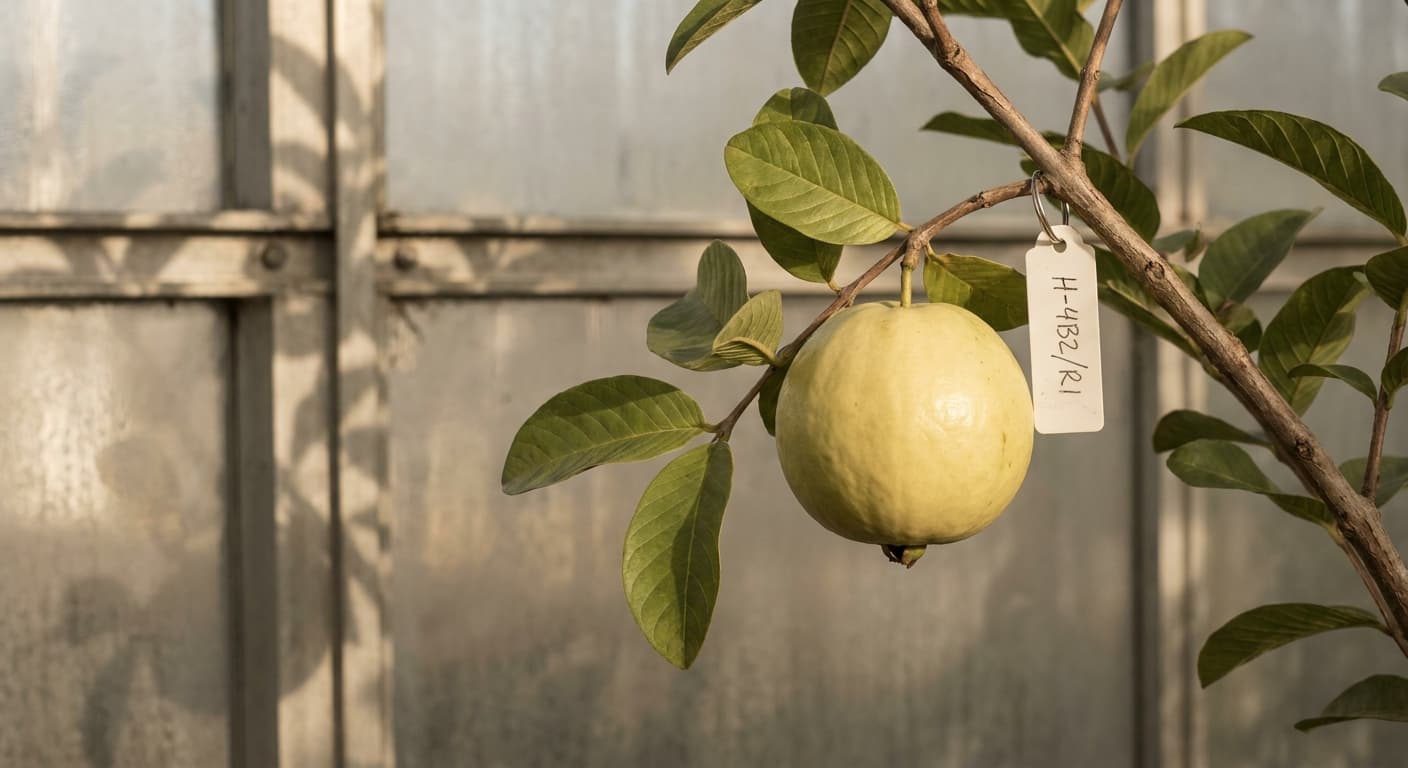
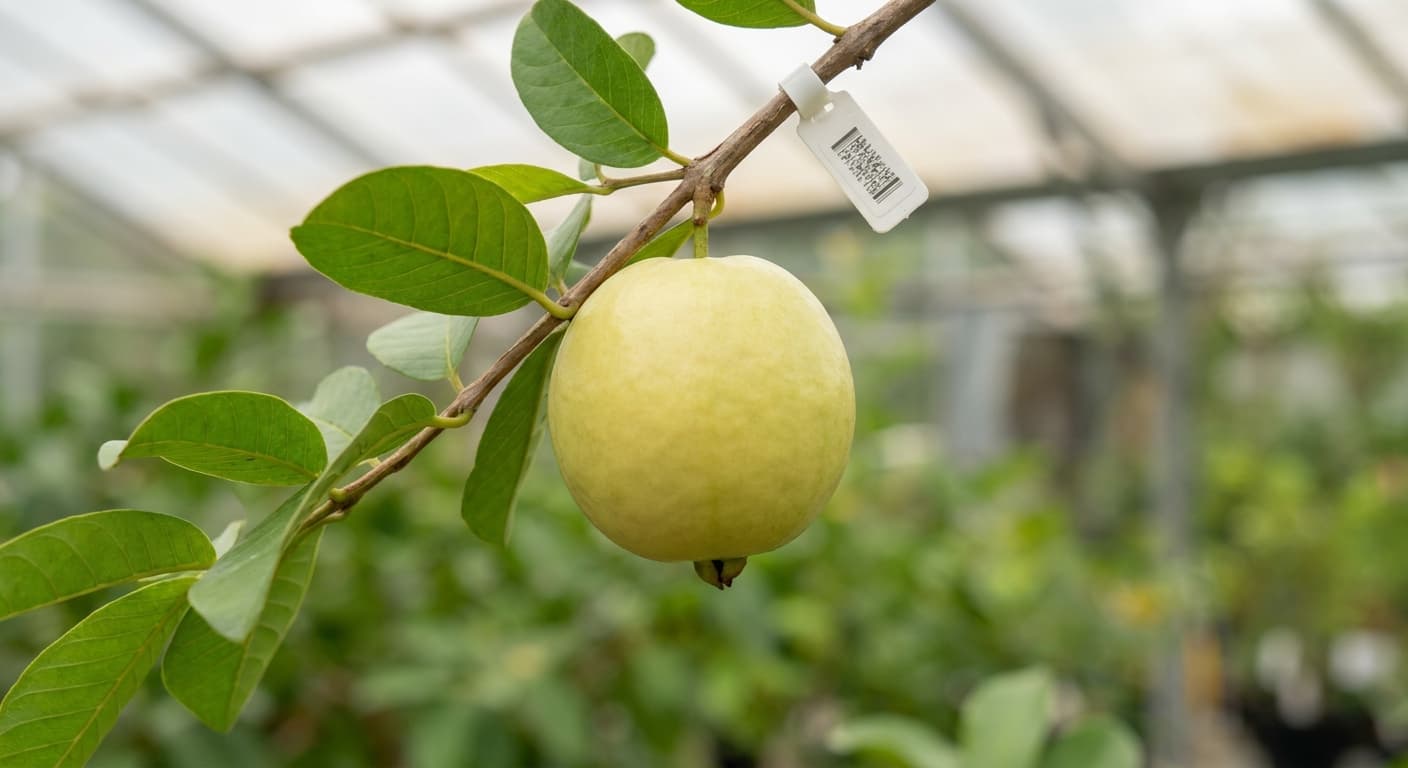
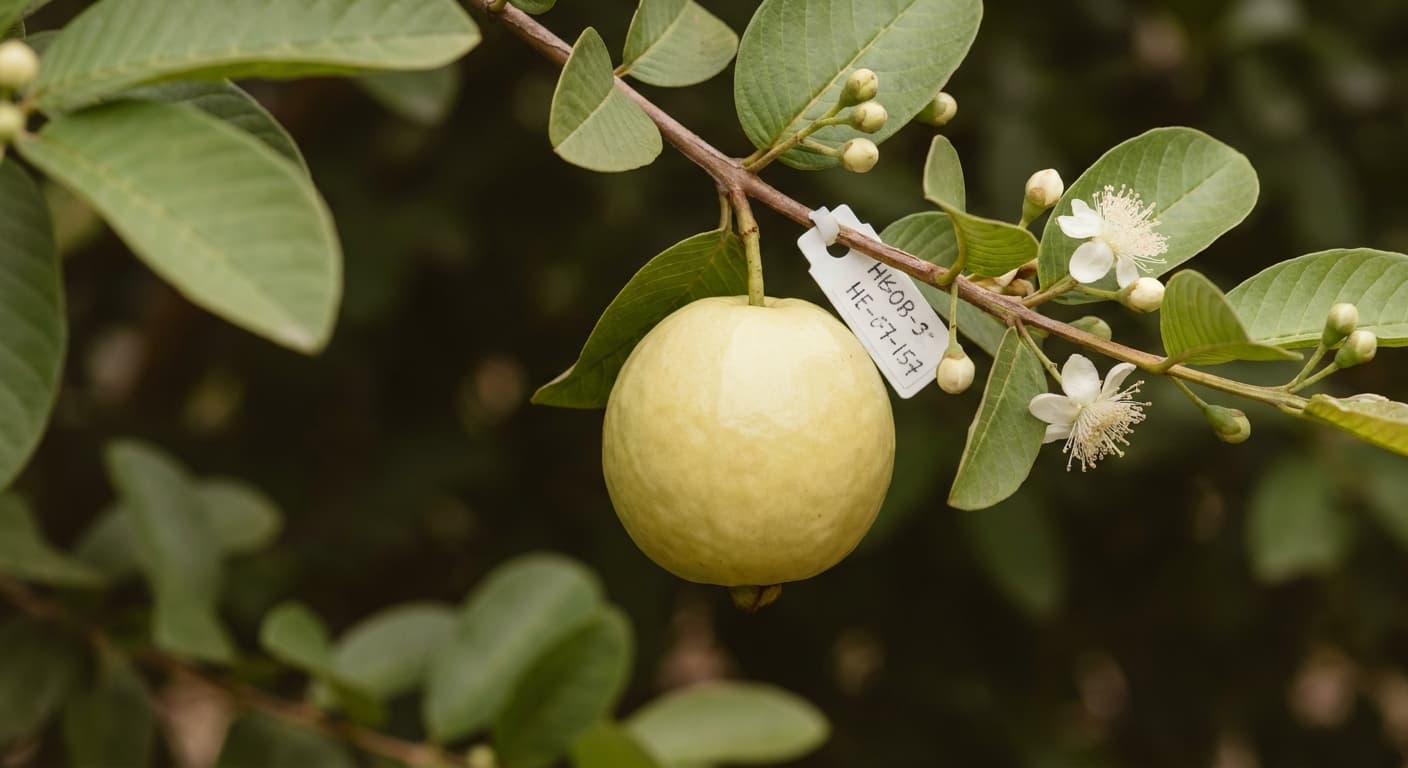
Related reading
From the Scoville Splice journal
Article
Can tomatoes be spicy?
Yes — and it is simpler than you think. The two-gene cassette that moves capsaicin out of Capsicum.
Read →
Article
Can you engineer rice to be spicy?
Monocots, promoters, and the engineering choices behind making a grain carry heat.
Read →
Article
How we design a cultivar
A guided tour of the Scoville Splice pipeline: target SHU, gene cassette, assembly, QA, release.
Read →
Often licensed together
All 10 in series →